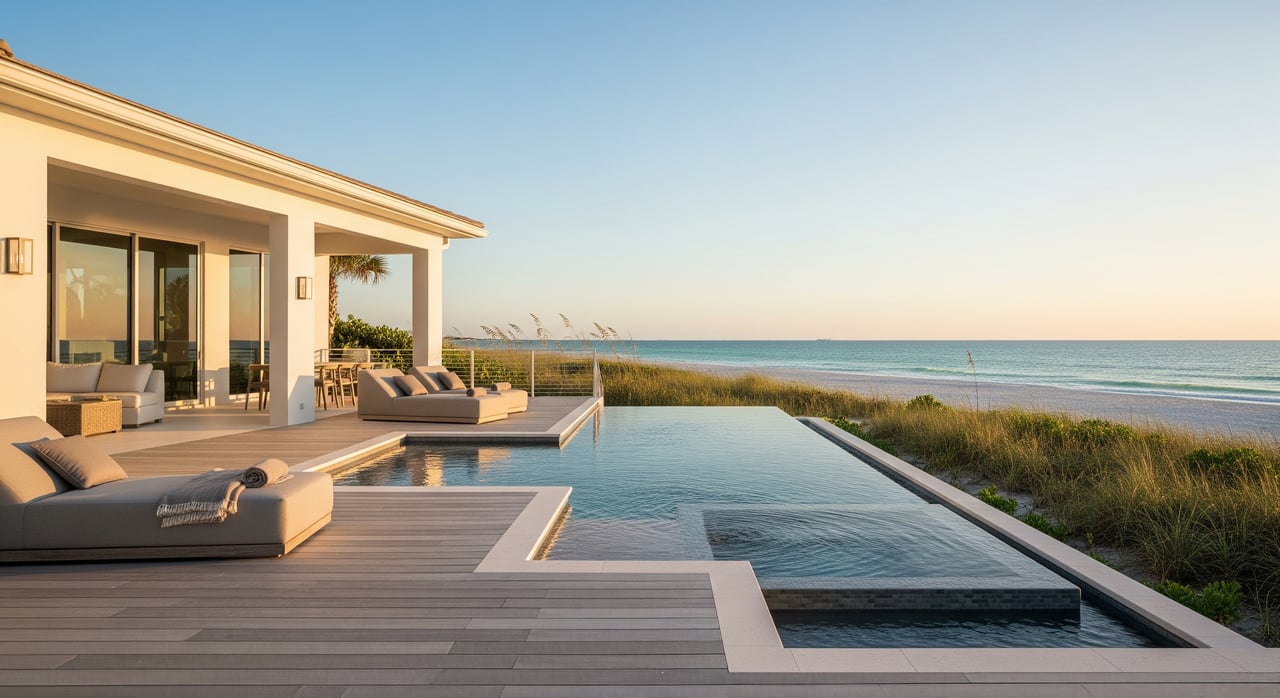
If your perfect day starts with sand under your feet and ends with a Gulf sunset, Vanderbilt Beach might be the lifestyle you are picturing. You want easy access to the water, nearby dining and services, and a home that balances relaxation with practical convenience. In this guide, you will get a clear feel for daily life, housing options, seasonality, insurance realities, and smart buyer steps for this coastal corner of North Naples. Let’s dive in.
Where Vanderbilt Beach fits in Naples
Vanderbilt Beach is a Gulf-front stretch in north Naples within Collier County. It sits between other well-known Naples communities and centers on Gulf Shore Boulevard with both public and private beach access points. The area blends a resort feel with quick access to broader Naples amenities.
You will find a mix of year-round residents and seasonal “snowbirds,” plus short-term visitors in high season. Many owners use their homes part of the year and rent seasonally when demand is strongest. If you plan to watch the market closely, look to local sources like Naples MLS data and the Naples Area Board of REALTORS market reports for up-to-date trends.
Day-to-day beach life
Beach access and crowd rhythms
Vanderbilt Beach offers west-facing sand, warm water, and classic sunsets. Public access points along Gulf Shore Boulevard can include on-site amenities such as restrooms or pavilions, but services vary by site and season. Parking lots can fill early on busy winter weekends and holidays.
Before you go, check current parking, hours, lifeguard coverage, and beach rules through Collier County Parks & Recreation. For conditions on the water, review local tide and sea guidance via NOAA tide and currents resources.
Boating, fishing, and water access
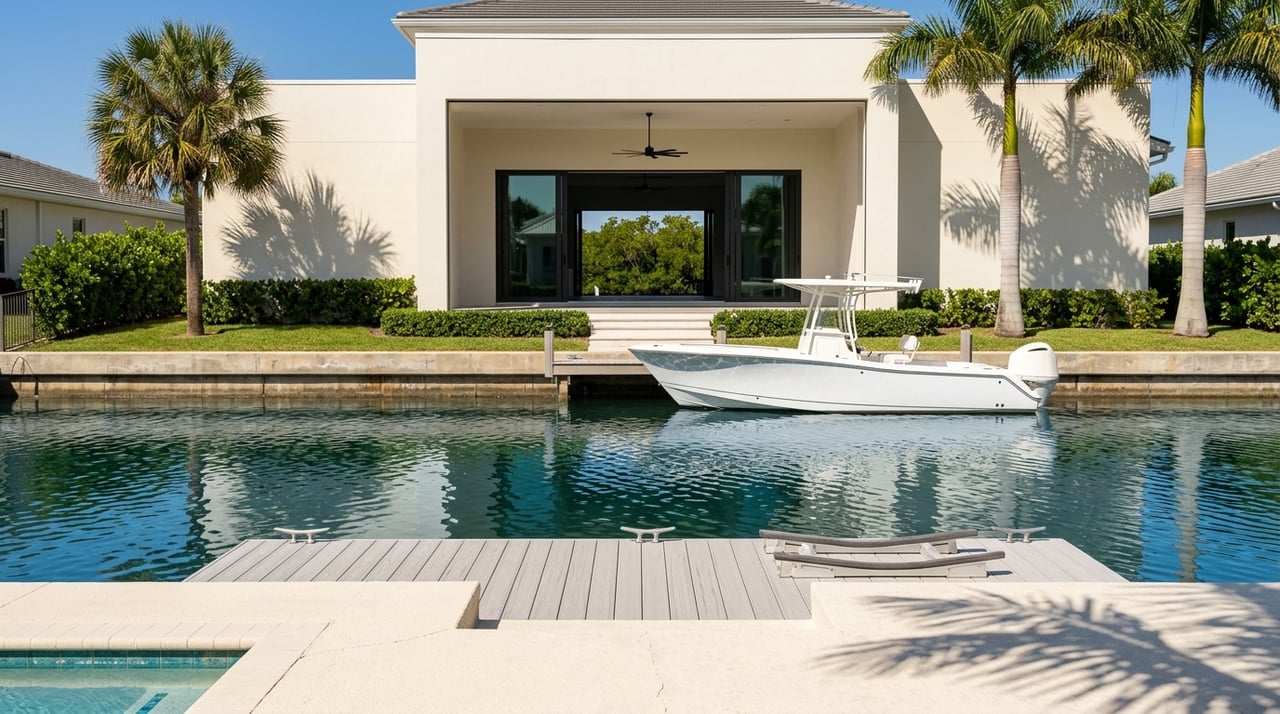
Boating here ranges from easy nearshore days to Gulf runs when conditions allow. Many beachfront condos do not include deep-water docks, so boat owners often look inland to canalfront homes or nearby marinas. Public ramps and charters are within a short drive in greater Naples.
For navigation planning and safety, rely on marina guidance and official tide and weather tools. NOAA’s tide and currents resources are a good starting point.
Dining, shopping, and services
The Vanderbilt corridor is close to multiple commercial pockets in north Naples. You are a short drive from restaurants, cafes, and retail at hubs like the Mercato area. Grocery stores, medical services, and basic retail are also minutes away by car.
True walkability depends on your exact address. Beachfront condo clusters often let you walk to the sand and a few nearby spots. For most errands, residents still use a car or rideshare.
Getting around
Sidewalks and crosswalks exist in many places, and biking is common for short trips, but coverage and bike-lane quality vary. Public transit is available but limited compared with large cities. To plan routes or evaluate service near a specific address, check Collier Area Transportation routes.
Community vibe, day and night
The feel is more beach-resort than nightlife-heavy. In winter high season, the area is lively, with more visitors and fuller restaurants. Summer is quieter, with easy beach days and lower crowd levels, balanced by heat and afternoon storms.
Homes and ownership realities
What you will find
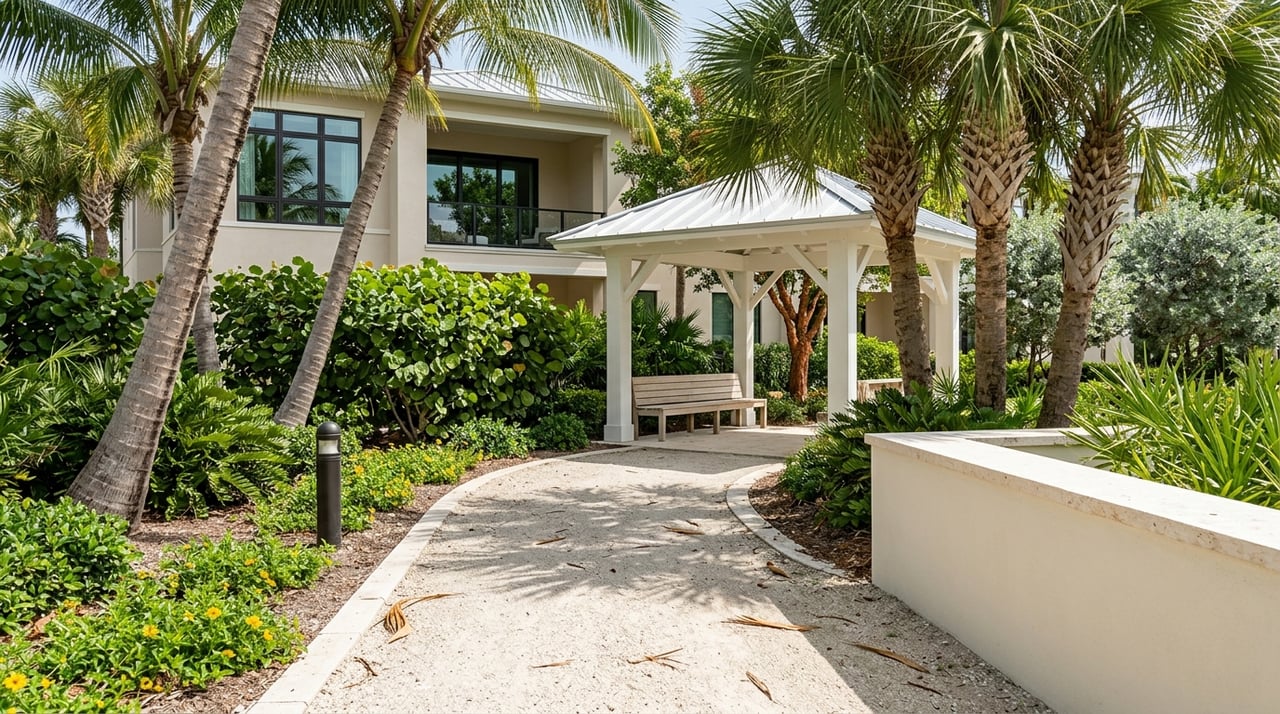
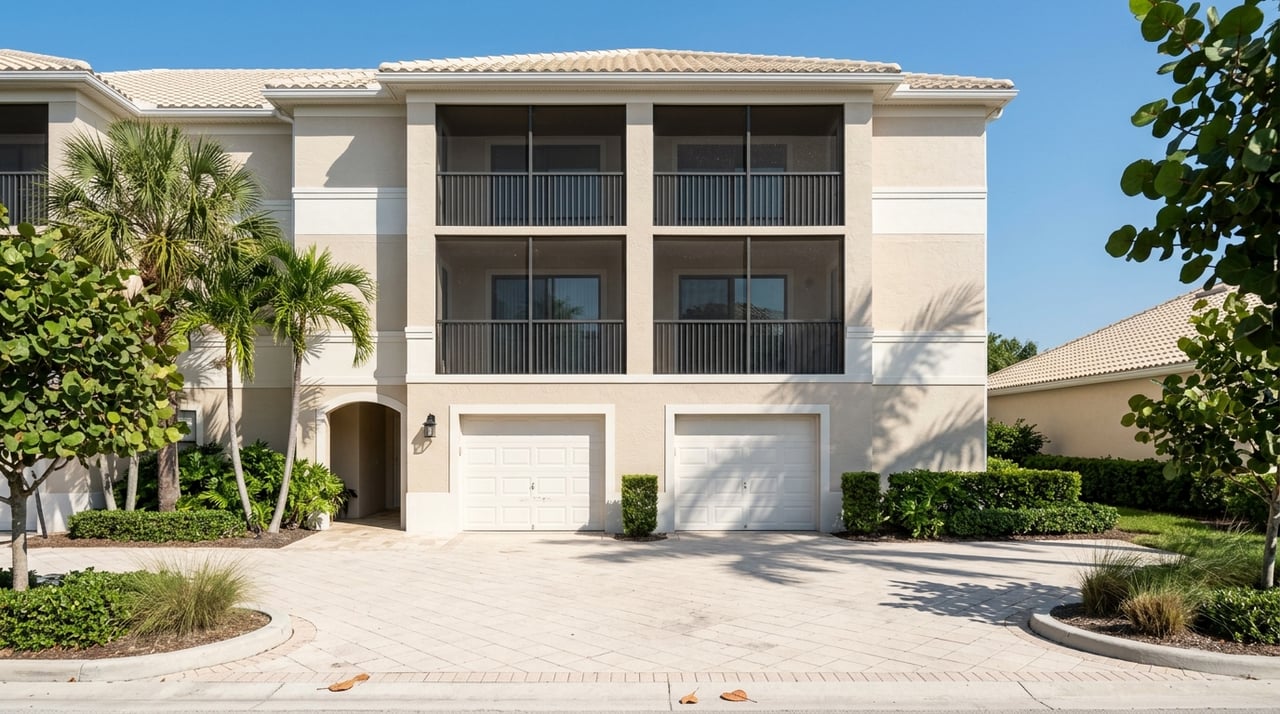
Housing includes high-rise Gulf-front condos, mid-rise and low-rise buildings, townhomes, and some single-family homes and luxury estates. Inland, you will also see gated communities and canalfront properties. Condo finishes range from efficient one-bedrooms to larger luxury residences.
Condo vs. single-family tradeoffs
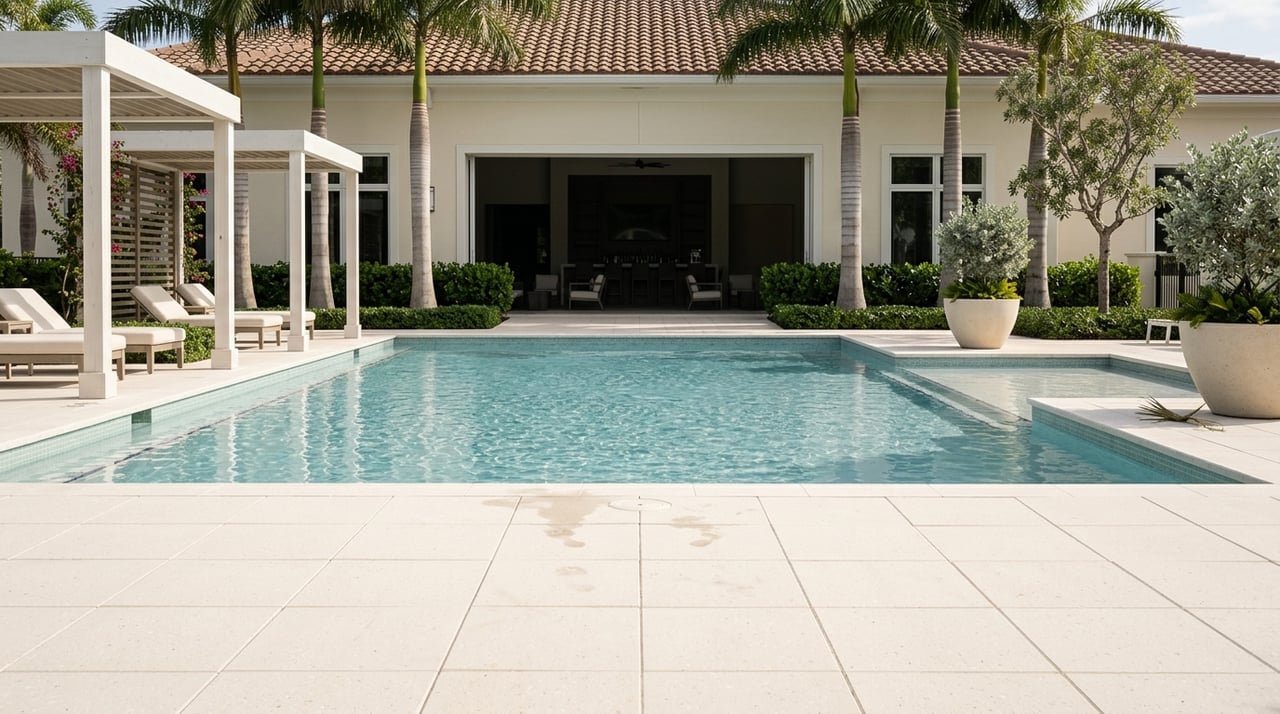
Condos offer beach access, shared amenities, and lower exterior maintenance. In return, you take on association rules and typically higher HOA fees. Single-family homes offer privacy and potential for yards or docks where allowed, with more responsibility for maintenance and storm readiness.
HOA and condo fees usually fund building insurance, common areas, amenities, landscaping, and reserves. Fees and policies vary by association. During due diligence, request budgets, reserve studies, and recent meeting minutes. For parcel and tax history, consult the Collier County Property Appraiser.
Short-term rental basics
Many owners use properties for seasonal rentals, but rules differ widely by building and by county regulations. Before you buy, verify association bylaws, rental minimums, frequency limits, and any onboarding requirements. Confirm county licensing, safety rules, occupancy limits, and tax procedures.
Investors should review association documents, examine expected seasonal occupancy and pricing, and confirm local compliance steps with Collier County. Start with the main county website, then navigate to planning and permitting from the Collier County government pages.
Seasonality, climate, and planning
What seasons feel like
Winters are mild and pleasant, drawing snowbirds from December through April. That is high season, with more people at the beach and popular restaurants. Summers are hot and humid with frequent afternoon thunderstorms, which brings quieter beaches and easier parking.
Flood, storm, and insurance
Barrier and nearshore coastal zones face risk from storm surge, tropical systems, and episodic flooding, including seasonal high tides. Flood risk varies street by street based on elevation and proximity to the shoreline or inlets. Always check a property’s flood zone through the FEMA Flood Map Service Center, and ask for an elevation certificate if available.
Typical coverage stacks include homeowners or condo insurance, windstorm or hurricane coverage, and flood insurance. Premiums in Florida can be volatile. Some mitigation, such as impact-rated windows or shutters, may help. If private options are limited, review the state insurer of last resort at Citizens Property Insurance.
Emergency readiness
Learn your evacuation zone and shelter options and build a simple hurricane kit before summer. Monitor county alerts during storm season and have a plan for power interruptions. Start with the county’s emergency resources via the Collier County emergency management pages.
A smart buyer checklist
- Confirm your lifestyle fit. Visit in high season and low season to see crowd levels, parking, and travel times firsthand.
- Verify beach logistics. Check parking hours, lifeguard coverage, and beach rules with Collier County Parks & Recreation.
- Map your routine. Test-drive to grocery, medical, and dining. Review Collier Area Transportation routes if transit matters to you.
- Assess flood exposure. Pull the address in the FEMA Flood Map Service Center and request any elevation certificate.
- Budget ongoing costs. Include HOA or condo fees, property taxes, and separate flood and windstorm insurance. If needed, review options through Citizens Property Insurance.
- Review rental rules. Read association bylaws and county requirements before assuming seasonal rental income.
- Verify parcel details. Check ownership and assessment history with the Collier County Property Appraiser.
- Check school assignments neutrally. Boundaries are by address; confirm through Collier County Public Schools if relevant to your decision.
How we help you buy with confidence
Buying on the coast involves more than liking the view. You want pricing backed by real valuation work, a clear read on HOA strength and rules, and sound advice on flood, wind, and building systems. That is the service model here: brokerage representation informed by appraiser-level analysis and construction literacy.
If you are weighing two buildings with different reserves and rental policies, or comparing a renovated condo with a higher HOA to an older unit with planned assessments, we will quantify the tradeoffs. We also guide remote buyers through inspections, insurance conversations, and vendor planning. For context on timing and competition, we review data from local MLS and Naples Area Board of REALTORS market reports so your offers align with reality.
Ready to explore properties or test assumptions with numbers? Reach out for a valuation-informed conversation and a plan tailored to your goals. Connect with Jeffrey P Tiefenbach PA to get started.
FAQs
How crowded is Vanderbilt Beach in winter?
- High season from December through April is typically the busiest, with weekends and holidays drawing the most visitors. Summer is generally quieter.
Where do I find official beach parking and amenity info?
- Check Collier County Parks & Recreation for current parking details, hours, lifeguard coverage, and beach rules for specific access points.
Is Vanderbilt Beach walkable if I want to use less car?
- Some beachfront clusters are walkable to the sand and nearby spots, but most daily errands still require a car or rideshare. Review Collier Area Transportation routes if transit matters.
What flood zones and insurance should I expect near the Gulf?
- Flood risk varies by property. Verify zones at the FEMA Flood Map Service Center and discuss wind and flood coverage options with your insurer or, if needed, Citizens Property Insurance.
Can I rent a Vanderbilt Beach condo short term?
- Many buildings allow seasonal rentals but rules vary. Review association bylaws and confirm county requirements through the Collier County government pages before you buy.
Which schools serve the Vanderbilt Beach area?
- School assignments depend on the property address. Confirm current zoning and enrollment details with Collier County Public Schools.