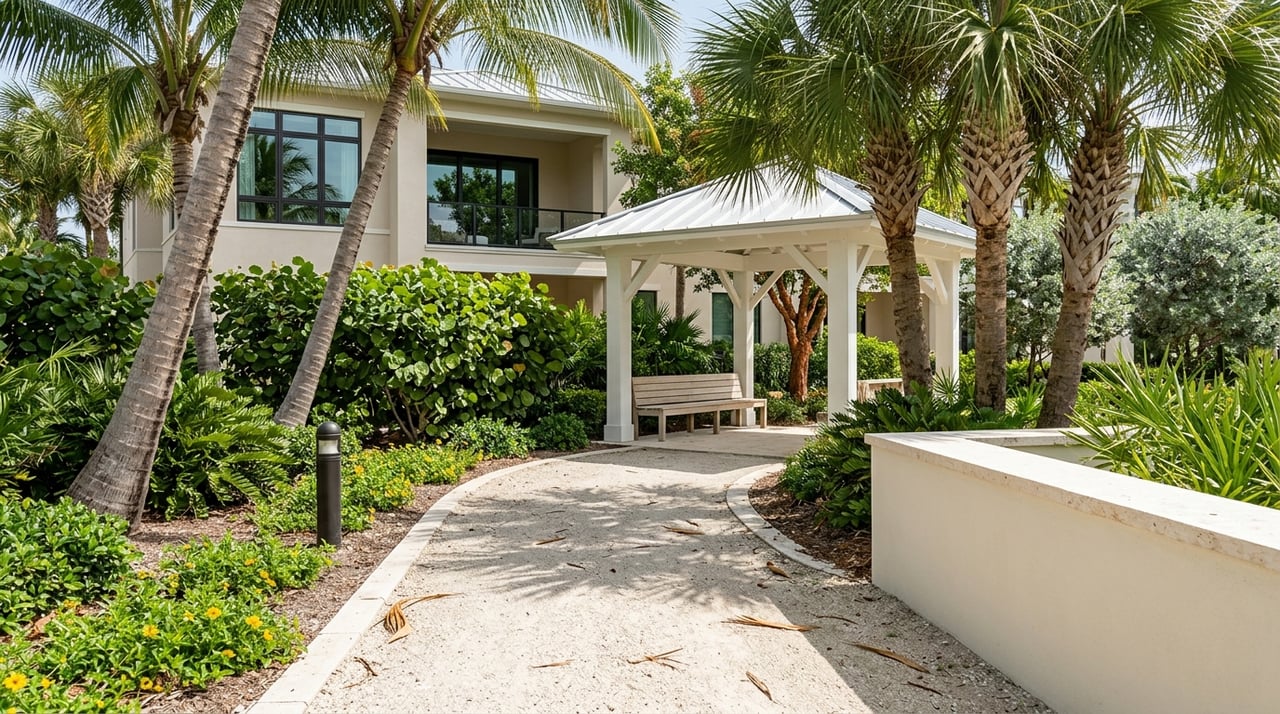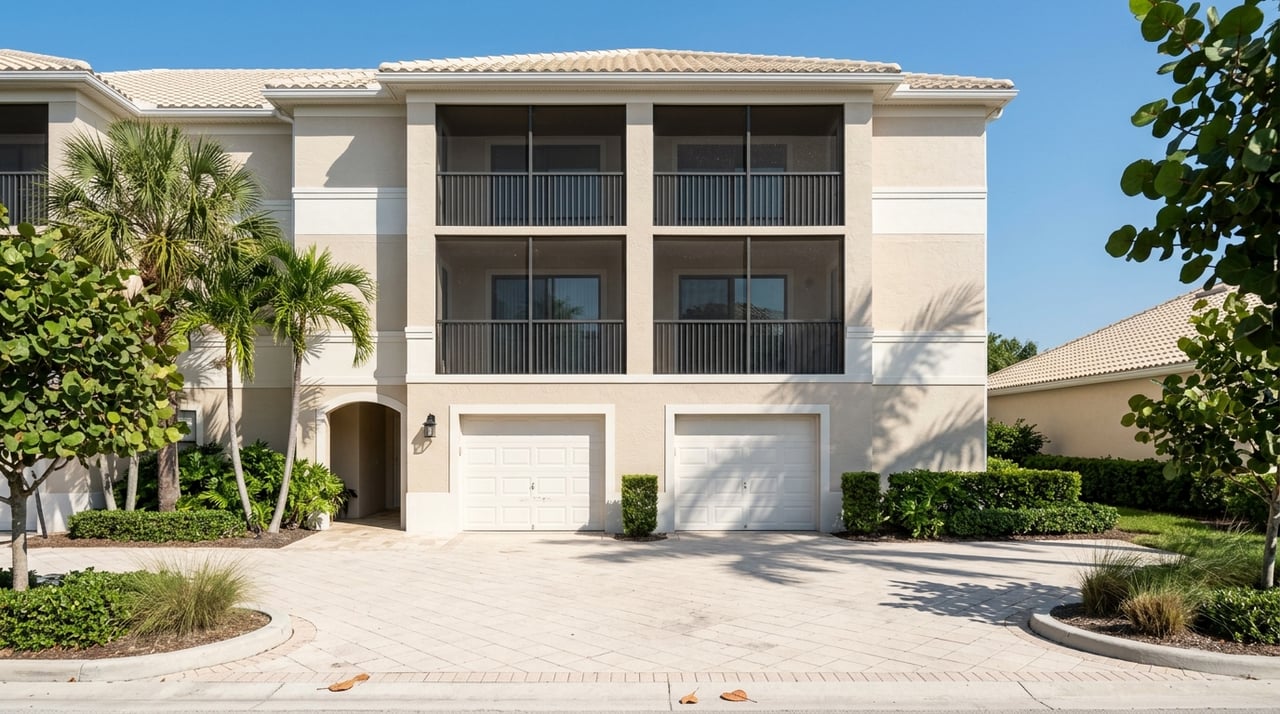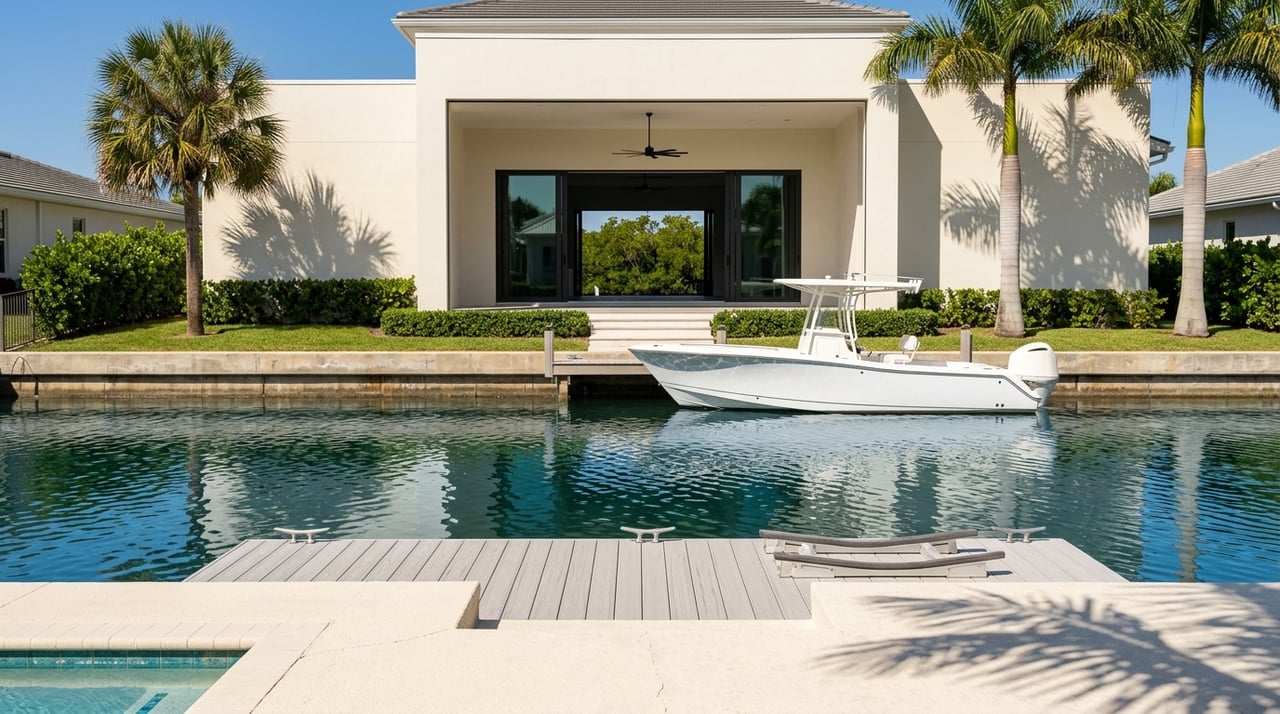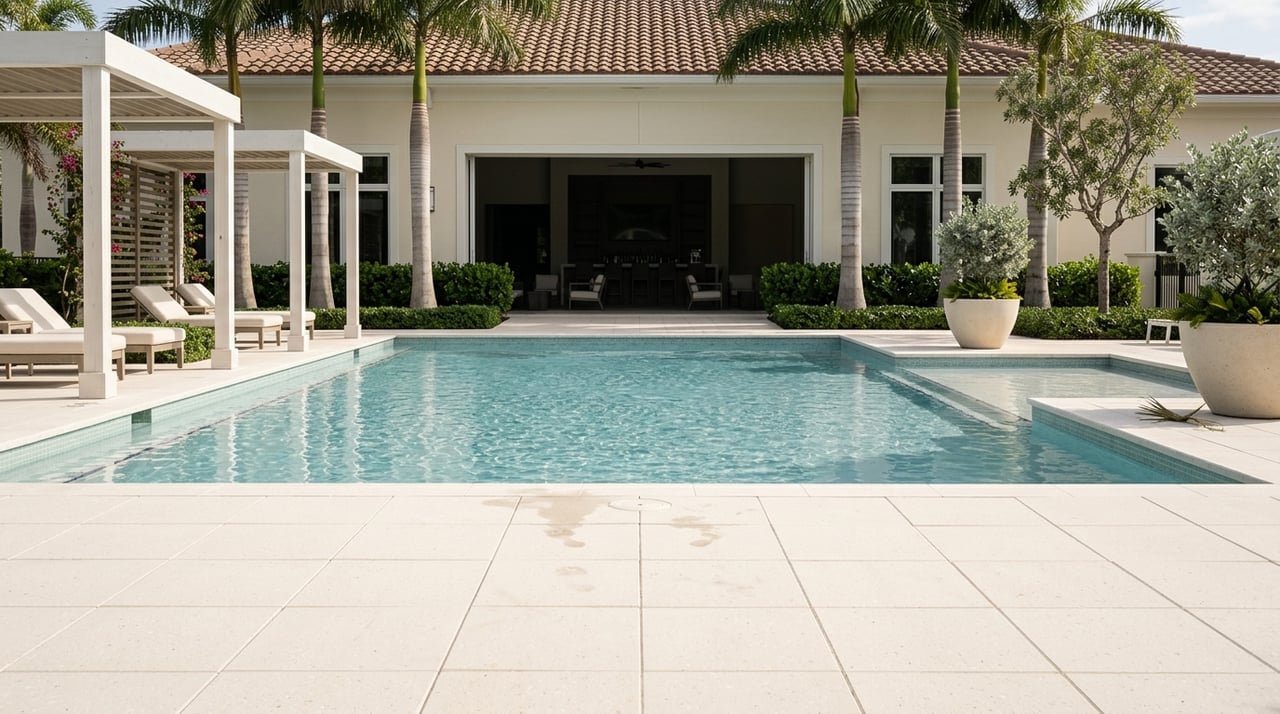
If you are considering a condo purchase or already own along Vanderbilt Beach, one question matters quickly: how strong is the seasonal rental opportunity, really? The short answer is that demand is real, but it is not uniform across the year, and not every condo will perform the same way. If you understand the winter-driven demand cycle, building rules, and the details that shape guest appeal, you can make far more informed ownership decisions. Let’s dive in.
Why Vanderbilt Beach Feels Seasonal
Vanderbilt Beach sits in North Naples, where beach access, coastal amenities, and resort activity support strong visitor interest. Collier County describes Vanderbilt Beach Park as a popular beach access point near upscale hotels, which helps explain why this area draws steady attention from seasonal visitors.
For the broader Paradise Coast destination, December through April is considered high season. That seasonal pattern matters because Vanderbilt Beach condos typically benefit most when the regional visitor base expands during winter and early spring.
What High Season Means for Owners
The clearest takeaway from recent tourism data is that the core revenue window is winter and early spring. In the larger Naples, Marco Island, and Everglades lodging market, February 2024 occupancy reached 74.3% with an average daily rate of $485.65. March remained strong, with year-over-year occupancy growth and RevPAR rising to $388.
Spring still showed strength, but summer softened. In that same broader market, April 2024 RevPAR was $243, while June dropped to $151 and July fell to $138.52. These figures are not condo-specific to Vanderbilt Beach, but they do provide a helpful benchmark: if you are estimating rental potential, you should expect the strongest pricing environment to cluster around winter and early spring, not year-round.
How to Think About Rental Potential
For most owners and buyers, it helps to think in three parts rather than one annual average.
High season: December through April
This is the period with the strongest regional demand. For many Vanderbilt Beach condos, this will likely be the best opportunity for premium pricing, especially if the unit offers beach proximity, appealing views, and resort-style amenities.
Shoulder season
This period usually calls for more moderate expectations. Demand may still be healthy, but rate pressure and booking pace can soften compared with peak winter months.
Off-season
Summer and early fall often require the most conservative assumptions. In a softer market window, owners may need more pricing flexibility to maintain occupancy.
What Can Improve Condo Performance
Not all Vanderbilt Beach condos will attract the same renter response. Broader rental-pricing research shows that location, condition, amenities, and rental policies are key drivers of price performance.
For Vanderbilt Beach, that usually means certain features may support stronger appeal:
- Gulf or partial-gulf views
- Walkability to the beach
- Updated interiors and renovated finishes
- On-site parking
- In-unit laundry
- Reliable Wi-Fi
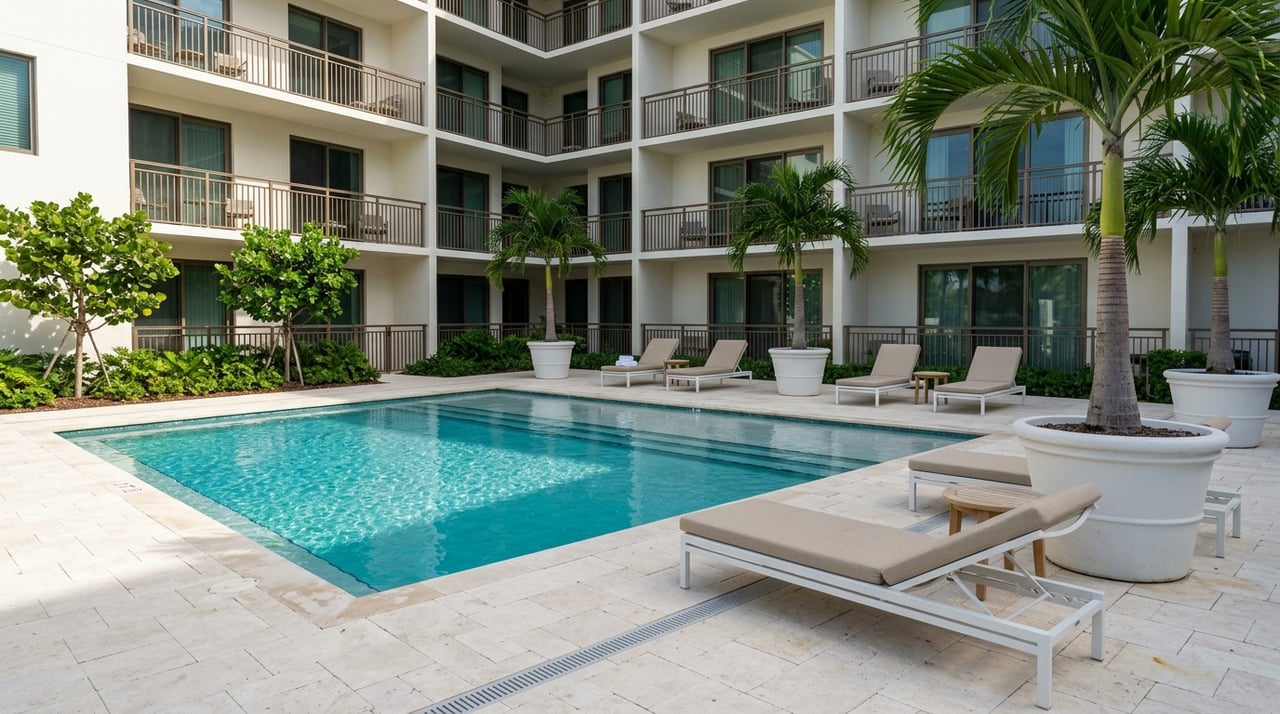
- Pool access
- Resort-style common amenities
Broader coastal hospitality research also indicates that beachfront positioning can support a meaningful rate premium. While that is not a Vanderbilt Beach-specific rent study, it is a useful lens for comparing one condo to another.
Why Building Rules Matter So Much
A condo with strong views and updated finishes may still have rental limitations that affect performance. In Florida, condominium leasing terms are governed by the declaration, bylaws, and house rules of the specific association. That means minimum lease periods, approval timing, guest restrictions, and other policies can vary significantly from one building to the next.
Florida law also provides that, if the governing documents permit, associations may charge certain transfer-approval fees and may require a lessee security deposit of up to one month’s rent. You can review that framework in Florida Statute 718.111. In practical terms, owners should study the association package just as carefully as the view line or floor plan.
Local Rules to Confirm Before Listing
If you plan to rent a Vanderbilt Beach condo on a short-term basis, local compliance is a major part of the equation. In unincorporated Collier County, short-term vacation rentals must be registered. The county states that the ordinance began on January 3, 2022, requires a 24/7 responsible party, and allows fines or civil citations of up to $500 per violation per day for continuing violations.
The county also notes that properties in the City of Naples, City of Marco Island, and Everglades City are exempt from that county rule, so the parcel location should always be verified first. That step matters because owners should not assume the same rule applies everywhere.
Collier County also states that a business tax receipt is required for short-term rentals. For many owners, that means the setup process includes more than simply furnishing the unit and creating a listing.
Taxes Are Part of the Underwriting
Tax treatment can change your net income expectations, so it should be built into your planning from the start. According to the Florida Department of Revenue transient rental guidance, rentals of six months or less are treated as transient rentals.
That guidance shows a baseline tax load that typically includes:
- 6% Florida state sales tax
- 5.0% Collier County local option transient rental tax
- 0.00% Collier discretionary sales surtax
For many owners, that means a typical baseline tax burden of 11% before considering booking-platform collection practices or filing details. Collier County tax materials also include a winter seasonal filing option covering October through March, due April 20, which may be especially relevant if most of your bookings occur during the high season.
A Simple Framework for Estimating a Seasonal Range
If you are trying to evaluate a purchase or test rental upside, avoid relying on a single headline number. A better approach is to create a range based on seasonality and unit tier.
Step 1: Separate the year by season
Use three buckets:
- High season
- Shoulder season
- Off-season
This reflects the clear regional demand pattern, with winter and early spring leading the market.
Step 2: Classify the condo honestly
A renovated unit with strong views and flexible rental terms should not be modeled the same way as an older condo with limited amenities or stricter lease rules. Unit quality and building policy can materially change both achievable pricing and booking volume.
Step 3: Underwrite from gross to net
Start with estimated rental revenue, then account for the items that affect actual take-home results. Depending on the property and ownership setup, that may include:
- Association-related approval costs
- Required deposits
- Registration and business tax receipt steps
- Transient rental taxes
- Any channel-specific collection or filing process
Step 4: Stress-test the off-season
Many seasonal ownership models look strong in peak months. The more revealing question is how the condo performs when demand is softer and more discounting may be needed.
What Buyers Should Focus On Before Purchase
If you are buying with seasonal-rental potential in mind, the most important due diligence usually comes down to specifics. The broad Vanderbilt Beach story is favorable, but your actual outcome will depend on the building and the unit.
Before you buy, focus on:
- Exact association lease rules
- Minimum rental term requirements
- Approval timelines and fees
- Deposit requirements
- Registration and tax compliance steps
- View quality and beach access
- Interior condition and renovation level
- Amenity package and parking
This is where valuation-informed analysis becomes useful. A condo that appears similar on paper may support a very different income profile once building restrictions and guest appeal are factored in.
The Bottom Line on Vanderbilt Beach Rentals
Vanderbilt Beach is best understood as a seasonal, winter-leaning rental market. Regional tourism data supports the idea that the strongest revenue window is concentrated in winter and early spring, while summer conditions are materially softer.
At the same time, rental potential is not just about location. The most important variables often come down to the exact condo, the building’s leasing rules, and the owner’s ability to navigate local registration and tax requirements. If you want to evaluate a Vanderbilt Beach condo with clarity, the best next step is a property-specific review grounded in both market context and building-level detail.
If you are weighing a purchase, sale, or rental strategy for a Vanderbilt Beach condo, Jeffrey P Tiefenbach PA can help you approach the decision with valuation-informed guidance and local market perspective.
FAQs
What is the best season for Vanderbilt Beach condo rentals?
- The strongest seasonal window is generally winter through early spring, with Paradise Coast identifying December through April as high season.
Are Vanderbilt Beach condos good for year-round rental income?
- Vanderbilt Beach may offer meaningful seasonal-rental potential, but broader lodging data shows summer is materially softer than winter, so year-round income should be modeled carefully.
Do Vanderbilt Beach condo associations have different rental rules?
- Yes. Lease terms, approval steps, and related rules are building-specific and should be confirmed in each association’s governing documents.
Do short-term Vanderbilt Beach rentals need county registration?
- If the property is in unincorporated Collier County, short-term vacation rental registration is required according to county guidance, but owners should verify parcel location first.
What taxes apply to short-term condo rentals in Collier County?
- Florida transient rentals typically include 6% state sales tax and a 5.0% Collier County local option transient rental tax, for a typical baseline of 11% before channel-specific collection details.
What features can improve Vanderbilt Beach condo rental appeal?
- Features that may support stronger appeal include beach proximity, gulf or partial-gulf views, updated interiors, parking, Wi-Fi, laundry, pool access, and other resort-style amenities.